Understanding Typhoid: Symptoms, Causes, and the Importance of Early Diagnosis
Typhoid fever remains one of the most common infectious diseases in India, particularly in areas where sanitation and clean water access are limited. It's a potentially serious condition caused by the Salmonella typhi bacterium, which spreads primarily through contaminated food and water.
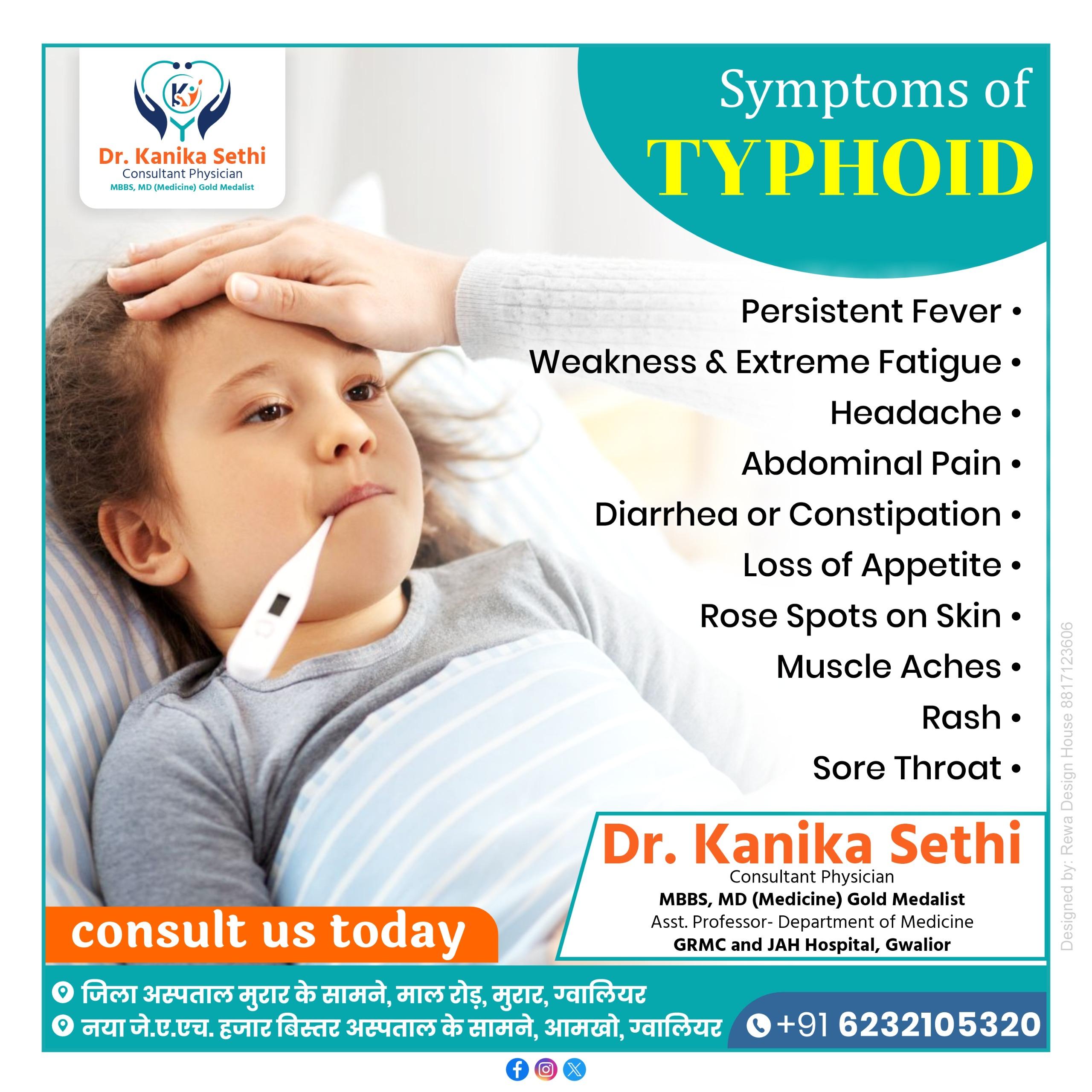
Recognizing its early symptoms and seeking timely medical consultation can help prevent severe complications. Among the best medical consultants in Gwalior, Dr. Kanika Sethi, Consultant Physician (MBBS, MD - Medicine, Gold Medalist) and Assistant Professor in the Department of Medicine at GRMC and JAH Hospital, Gwalior, emphasizes the importance of awareness and early treatment for typhoid.
This blog aims to educate you about typhoid's symptoms, causes, prevention, and why consulting an expert physician is crucial for recovery.
What is Typhoid Fever?
Typhoid fever is an infection caused by Salmonella typhi, a bacteria that affects the intestinal tract and bloodstream.
The disease spreads through contaminated water, unclean food, or direct contact with an infected person.
Though anyone can contract typhoid, it is more common among children and young adults in areas with inadequate hygiene and sanitation facilities.
Without timely treatment, typhoid can lead to severe complications such as intestinal perforation, bleeding, and even life-threatening conditions.
That's why consulting experienced healthcare professionals like Dr. Kanika Sethi, one of the best medical consultants in Gwalior, is vital.
Symptoms of Typhoid
Typhoid symptoms usually appear 1–3 weeks after exposure. Early recognition can make treatment more effective and prevent complications.
According to Dr. Kanika Sethi, here are the most common symptoms:
Persistent Fever: Continuous fever (often 102°F–104°F) is a hallmark symptom. It does not reduce easily and tends to worsen gradually.
Weakness & Extreme Fatigue: Typhoid drains your energy, leaving you feeling weak and tired.
Headache: A dull, persistent headache often accompanies the fever. Abdominal Pain: Pain or discomfort in the lower abdomen due to intestinal inflammation.
Diarrhea or Constipation: Irregular bowel habits vary from person to person. Loss of Appetite: The combination of fever and infection reduces hunger.
Rose Spots on Skin: Small pink or red spots may appear on the chest or abdomen. Muscle Aches & Body Pain: These are common, especially in the early stages.
Rash or Sore Throat: Some patients develop mild rashes or throat pain as secondary symptoms.
If you or someone in your family experiences these symptoms for more than two to three days, it's important to consult a qualified doctor immediately.
How Typhoid Spreads
Typhoid spreads through the fecal-oral route—when food or water contaminated with Salmonella typhi bacteria is consumed. Poor sanitation and lack of hygiene accelerate its transmission.
Common causes include:
Drinking unboiled or contaminated water Eating food prepared with dirty hands or utensils Consuming raw vegetables washed with unsafe water Poor waste disposal and open defecation
Because the disease spreads easily, maintaining personal and environmental hygiene is the first line of defense.
Diagnosis and Treatment
When you suspect typhoid, early testing and diagnosis are crucial. Dr. Kanika Sethi, among the best medical consultants in Gwalior, recommends the following diagnostic tests:
Blood Tests (Widal or TyphiDot Test): To detect typhoid antibodies. Blood or Stool Cultures: To confirm the presence of Salmonella typhi bacteria.
Once diagnosed, treatment generally includes:
Antibiotic Therapy: Specific antibiotics prescribed to eliminate the bacteria. Hydration: Oral rehydration solutions, soups, and fluids to prevent dehydration.
Light Diet: Easily digestible food helps restore strength and nutrients. Adequate Rest: Recovery requires rest and a stress-free environment.
Timely consultation with an experienced doctor ensures proper medication and monitoring throughout the recovery phase.
Prevention: The Best Way to Fight Typhoid
Preventing typhoid is far easier than treating it.Dr. Kanika Sethi highlights a few important preventive measures:
Drink Safe Water: Always consume filtered, boiled, or bottled water.
Eat Hygienic Food: Avoid street food, raw salads, and unwashed fruits.
Practice Hand Hygiene: Wash hands thoroughly before eating and after using the restroom.
Get Vaccinated: Typhoid vaccines are safe and effective in preventing infection.
Maintain Clean Surroundings: Dispose of waste properly and ensure toilets are kept clean.
Good hygiene habits and vaccination can protect you and your family from the infection altogether.
When to See a Doctor
Persistent fever, fatigue, abdominal pain, and loss of appetite are warning signs that should never be ignored. Seeking early medical advice helps in quick recovery and prevents the infection from spreading to others.
For expert diagnosis and compassionate care, consult Dr. Kanika Sethi, who is recognized as one of the best medical consultants in Gwalior. With her experience in internal medicine and dedication to patient health, she provides effective and personalized care for typhoid and other infectious diseases.
Contact Information :-
Address : Mall Rd, Krishna Puri, Morar, Gwalior, Madhya Pradesh 474006
Mobile : +916232105320
Final Thoughts
Typhoid fever can be dangerous, but with awareness, preventive care, and early treatment, it can be managed effectively. Recognizing the symptoms early and consulting the right medical professional ensures a faster and safer recovery.
If you or a loved one experiences persistent fever or digestive discomfort, don't delay—reach out to trusted healthcare providers like Dr. Kanika Sethi, one of the best medical consultants in Gwalior, for proper guidance and treatment.


Comments
Post a Comment